

Hello my friend,
Living with any kind of chronic symptoms can make life feel awfully serious sometimes.
And understandably so. When you're dealing with pain, fatigue, anxiety, or other persistent challenges, there's a lot to navigate. But somewhere along the way, it's easy to become so focused on healing that we lose touch with our sense of humor, spontaneity, and play.
We might even start to believe that healing requires constant vigilance, hard work, and a rather solemn dedication to the process. As though laughter and silliness are distractions from the important work we're doing.
But what if we've got it backward?
What if humor, playfulness, and a little healthy absurdity are some of the most healing things we can bring to the process?
Is Your Life One Big Recovery Project?
If you've spent any length of time dealing with chronic pain, fatigue, dizziness, tinnitus, anxiety, depression, or other persistent symptoms, you probably know how quickly life can start revolving around them.
What begins as a perfectly reasonable desire to feel better can gradually turn into a full-time job. We monitor how we're feeling, analyze what might have triggered a flare, evaluate whether we're making progress, and wonder if we're doing enough to support our recovery.
Even our moments of rest can become strangely productive. Are we relaxing correctly? Is this meditation regulating our nervous system? Should we be doing some somatic exercises instead?
Good grief. It's exhausting just thinking about it.
And beneath all that effort, there's often a quiet assumption that healing is something we need to take very, very seriously.
Of course, living with chronic symptoms is serious. The suffering is real. The grief, frustration, fear, and uncertainty deserve acknowledgment and compassion. Humor isn't about pretending otherwise or putting a cheerful spin on genuinely difficult experiences.
But there's a difference between taking our suffering seriously and taking ourselves seriously all the time. And that distinction is huge!
What Laughter Does for the Brain
Humor has some fascinating effects on the brain and body.
Research suggests that laughter can help reduce perceived stress, support positive emotions, and strengthen social connections. Enjoyable experiences also engage neural systems involved in reward, motivation, and emotional regulation.
But perhaps one of humor's most interesting qualities is its ability to interrupt our usual patterns of attention.
When we're anxious, depressed, or preoccupied with symptoms, our attention can become remarkably narrow. We get caught in repetitive loops of monitoring, predicting, analyzing, and problem-solving. The world starts to shrink around whatever feels wrong.
Then something genuinely funny happens.
For a moment, our attention shifts. We experience surprise, amusement, connection, or delight. The problem may still be there, but it's no longer occupying the entire stage.
For people working with neuroplastic symptoms, this can be particularly meaningful. Our brains are constantly learning from what we repeatedly attend to and experience. When symptoms become associated with fear, vigilance, and urgency, those patterns can become increasingly familiar.
Humor offers a different kind of experience: one in which discomfort and enjoyment can coexist, and symptoms don't always have to be the most important thing happening.
This doesn't mean laughter will magically eliminate pain, fatigue, or anxiety. But it can help us develop a more flexible relationship with our experiences.
And psychological flexibility is a pretty wonderful thing, and a key aspect of my work with clients.
Giving Your Symptoms a Makeover
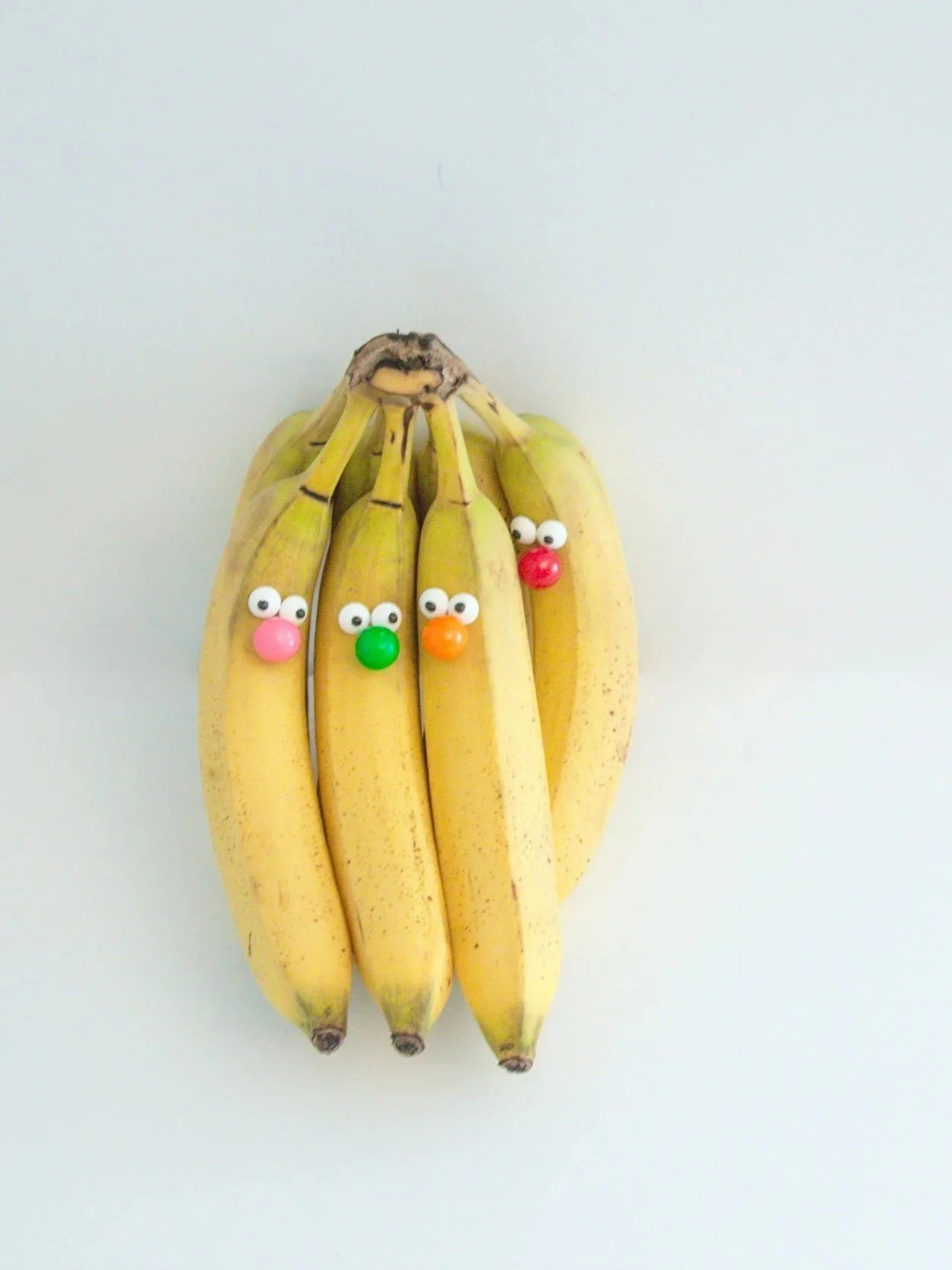
One of my favorite ways to bring humor into healing is to get a little creative with how we relate to symptoms.
When we're experiencing something uncomfortable, our minds tend to respond with alarm, frustration, or an urgent desire to make it stop. And understandably so! But what if, occasionally, we responded with a little playful curiosity instead?
Maybe your tinnitus becomes a tiny, overenthusiastic opera singer who insists on performing at the most inconvenient times. Perhaps your anxiety is a frazzled little squirrel wearing a business suit, frantically organizing emergency meetings about things that haven't happened. Or maybe your dizziness is a confused pirate who's been at sea a little too long.
You might even give your symptoms ridiculous names or make up silly songs about them. Imagine singing a dramatic Broadway-style ballad about your headache, complete with an unnecessarily emotional chorus.
The point isn't to mock your suffering or deny that symptoms can be difficult. It's to experiment with changing the emotional tone of your relationship with them.
When something feels frightening or threatening, adding an element of absurdity can sometimes soften its emotional grip. The sensation may still be there, but perhaps we don't have to meet it with quite so much alarm.
This can be especially helpful with repetitive anxious or obsessive thoughts. Rather than debating every alarming prediction, we might imagine our worry as an overly dramatic television announcer or a character who insists on narrating every possible catastrophe.
We don't need to silence the character. We can simply recognize the performance and return to whatever matters to us.
Bringing Playfulness Into Mindbody Practices
Humor can also be a wonderful addition to visualization, meditation, and somatic practices, which can sometimes become surprisingly solemn affairs.
There's certainly a time and place for peaceful imagery, gentle breathing, and quiet introspection. But who says nervous system practices always have to involve serene beaches, glowing lights, and perfectly composed inner wisdom?
Maybe your next visualization involves riding a giant marshmallow through the clouds, dancing with a friendly dragon, or imagining your anxious thoughts as a parade of cartoon characters waddling across the stage.
You might picture your inner critic speaking in a squeaky cartoon voice, or imagine a worried part of yourself wearing an enormous feathered hat.
Even somatic practices can become more playful. Try shaking out your arms like a wet dog, making an exaggerated sigh while sticking out your tongue, stretching like a lazy cat, or moving your body to a cartoon-y kid’s song. (If you’ve taken my 10-day course, you’ll be familiar with what I call “noodle time!”)
The idea isn't to manufacture a particular physiological response or turn playfulness into another technique for controlling symptoms. It's simply to explore what happens when we approach our bodies with a little less seriousness and a little more imagination.
Sometimes, a moment of silliness can feel more inviting than another carefully structured regulation exercise.
And if it doesn't, that's perfectly fine, too.
You Don't Have to Laugh at Everything
There's an important distinction between using humor to create a little breathing room and using it to dismiss what we're feeling.
Sometimes life is heartbreaking. Sometimes symptoms are overwhelming. Sometimes the last thing we want is someone telling us to look on the bright side. We don't need to turn every difficult experience into a joke. Nor do we need to force positivity when what we really need is a good cry, a compassionate conversation, or a quiet afternoon.
Humor works best when it's an invitation, not another expectation.
For someone experiencing depression, playfulness may feel distant or inaccessible. We can gently make room for enjoyable experiences without demanding that they feel wonderful right away. And for those with anxiety or OCD, humor doesn't need to become another ritual for neutralizing unwanted thoughts or making discomfort disappear. We can laugh at the mind's dramatic storytelling without needing to prove it wrong.
Sometimes the most helpful response to a particularly alarming thought is simply, "Huh, that's interesting!"
Let Recovery Be a Little Less Serious
One of the saddest things about prolonged suffering is how easily we lose touch with the playful parts of ourselves. We become so focused on getting back to our lives that we forget to actually participate in them.
When was the last time you did something purely because it was fun? Not because it supported your recovery, improved your mood, or helped regulate your nervous system. Just because it made you smile?
Maybe it's watching a ridiculous comedy, singing in the kitchen, dancing badly, exchanging terrible puns with a friend, going to the store wearing a fun costume, or spending time with someone who brings out your goofy side.
These moments don't need to be big or elaborate. And they certainly don't need to be earned by having a good symptom day.
Perhaps one of the most radical things we can do in recovery is loosen our grip on the whole process. Not abandon ourselves. Not ignore genuine needs. But stop approaching every moment as an opportunity to improve, correct, or optimize something.
We can experience difficult symptoms and still laugh at a terrible joke. We can have anxious thoughts and still enjoy a beautiful afternoon. We can be uncertain about the future and still find something delightful about today.
And maybe, every once in a while, we can even laugh at how spectacularly complicated we've managed to make the simple business of being human.
Because healing isn't just about experiencing less suffering. It's also about making room for more living.
And sometimes, that begins with remembering how to laugh.
With heart and humor,

xo, Mel
Certified Health Coach, Reiki Master/Teacher, and Pain Reprocessing Therapy Practitioner
Come connect with me on Instagram and Insight Timer